ABOUT ME

I received my Ph.D. from the Mathematics department at the University of Washington (2013), under Ioana Dumitriu. After that I held an NSF postdoctoral fellowship at the Weizmann Institute of Science, in Rehovot, Israel, with Ofer Zeitouni. From 2016 to 2020 I was an assistant professor, tenure track, at Ohio State University. I joined McGill University in 2020.

My work falls into two research programs — random matrix theory and machine learning theory. The two are closely connected: the spectral theory developed for one is often exactly what the other turns out to need, and both build on a wider body of work in probability.

You might also look at some of the course notes I have given in probability, random matrix theory and machine learning, collected under notes and resources, to see the kind of work I do in these areas.

If you would like to know more about probability in Montreal:

RESEARCH GROUP

Current

Postdoctoral fellows
PhD students
MSc students

Past

Postdoctoral fellows
PhD students
MSc students
  • (2023–2024) Sam Kirkiles — Software Engineer, Coinbase
  • (2022–2024) Hugo Latourelle-Vigeant, joint with Courtney Paquette — PhD, Yale
  • (2022–2023) Andrew Cheng, joint with Courtney Paquette — PhD, Harvard
  • (2021–2022) Romain Pagès (KTH), research assistant at McGill — Stagiaire de recherche, INRAE, Paris

RESEARCH

Random matrix theory

β-ensembles, characteristic polynomials, and log-correlated fields

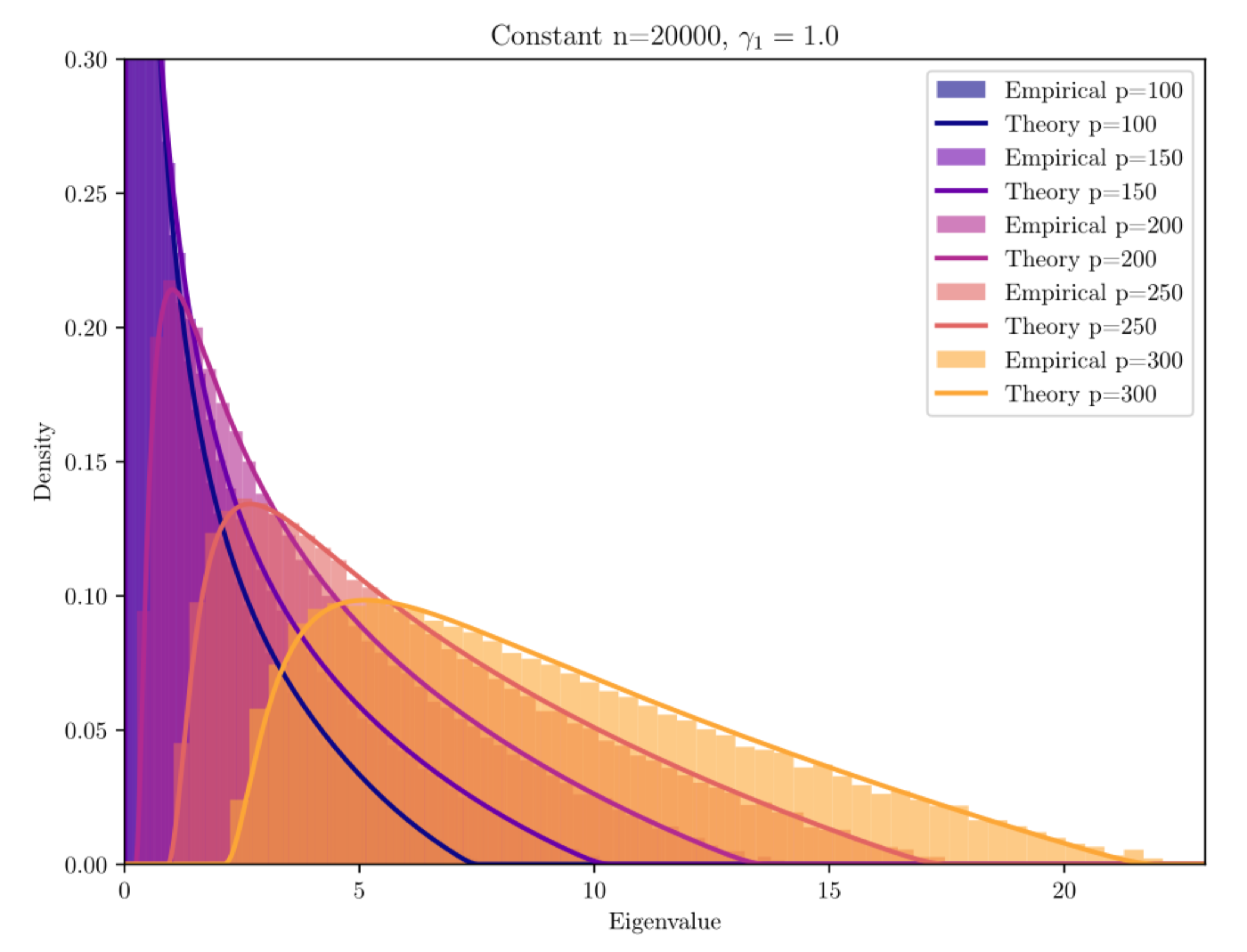
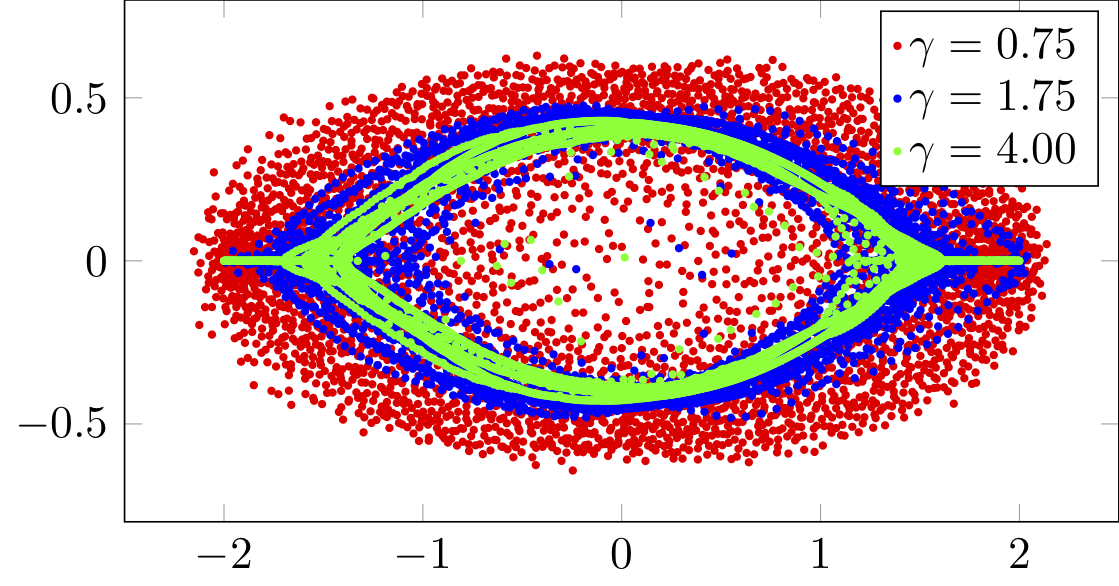
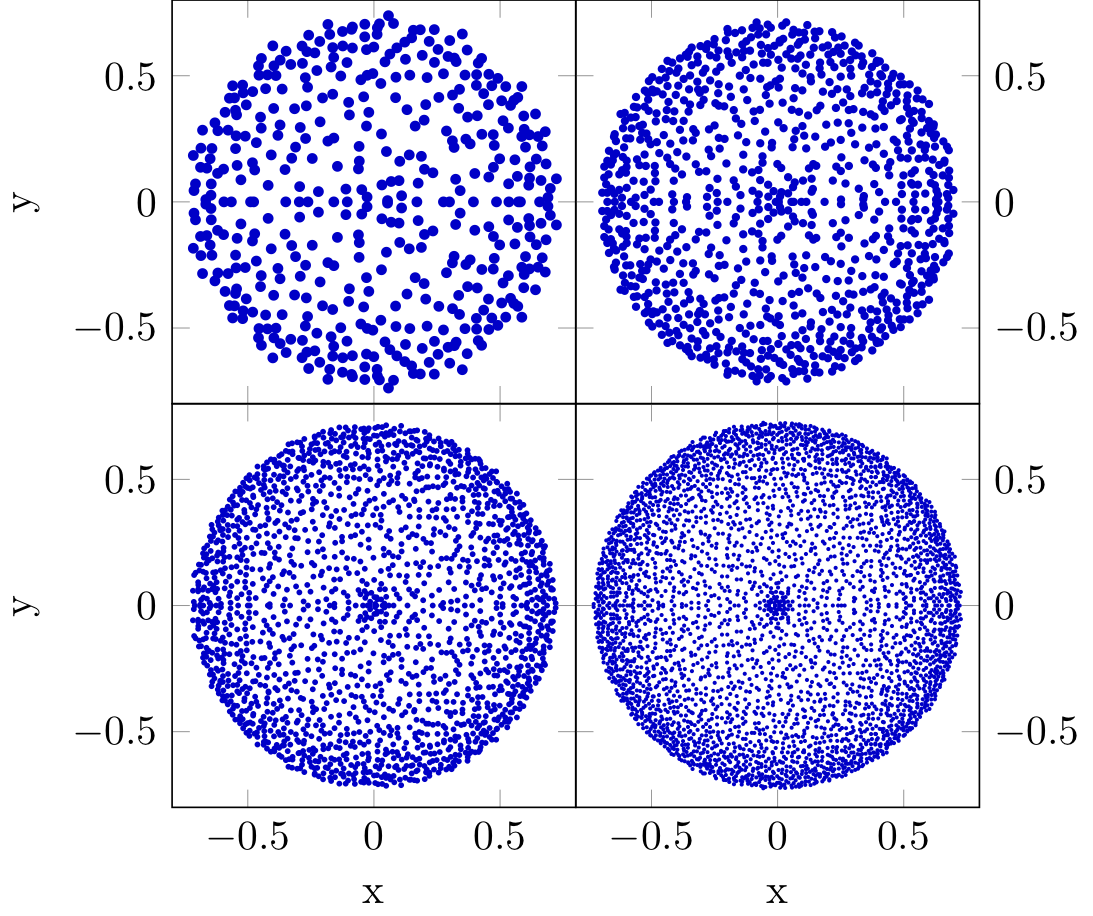
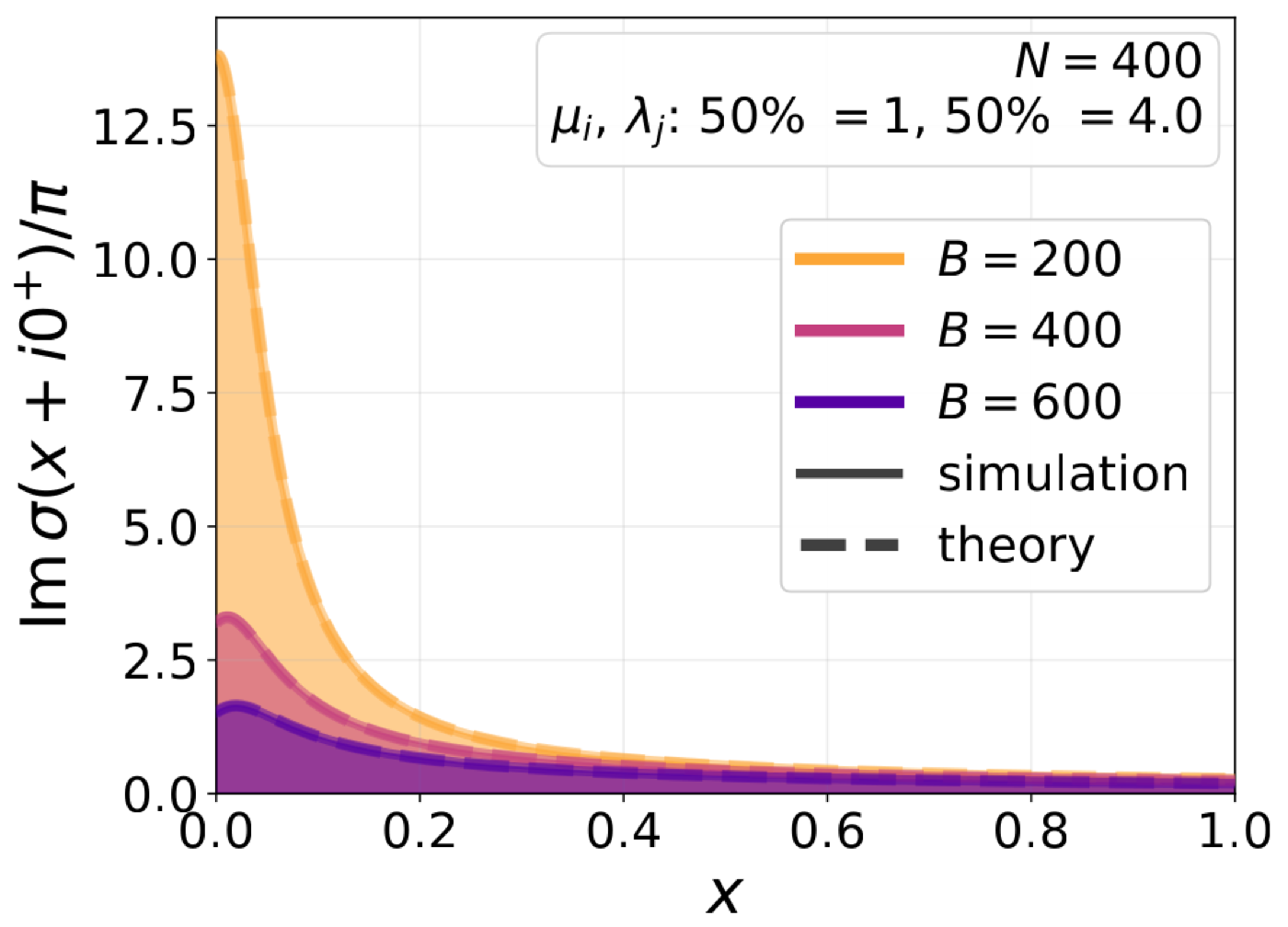
Random matrix theory asks what the eigenvalues and eigenvectors of a large matrix of random numbers look like. The answers are unexpectedly rigid, and the same patterns keep surfacing in unrelated places: in the sample covariance matrix a statistician forms from noisy data, in the weights a neural network is initialized with, and — first of all — in the energy levels of heavy nuclei, where Wigner replaced an intractable Hamiltonian by a random one and got the spacings right.

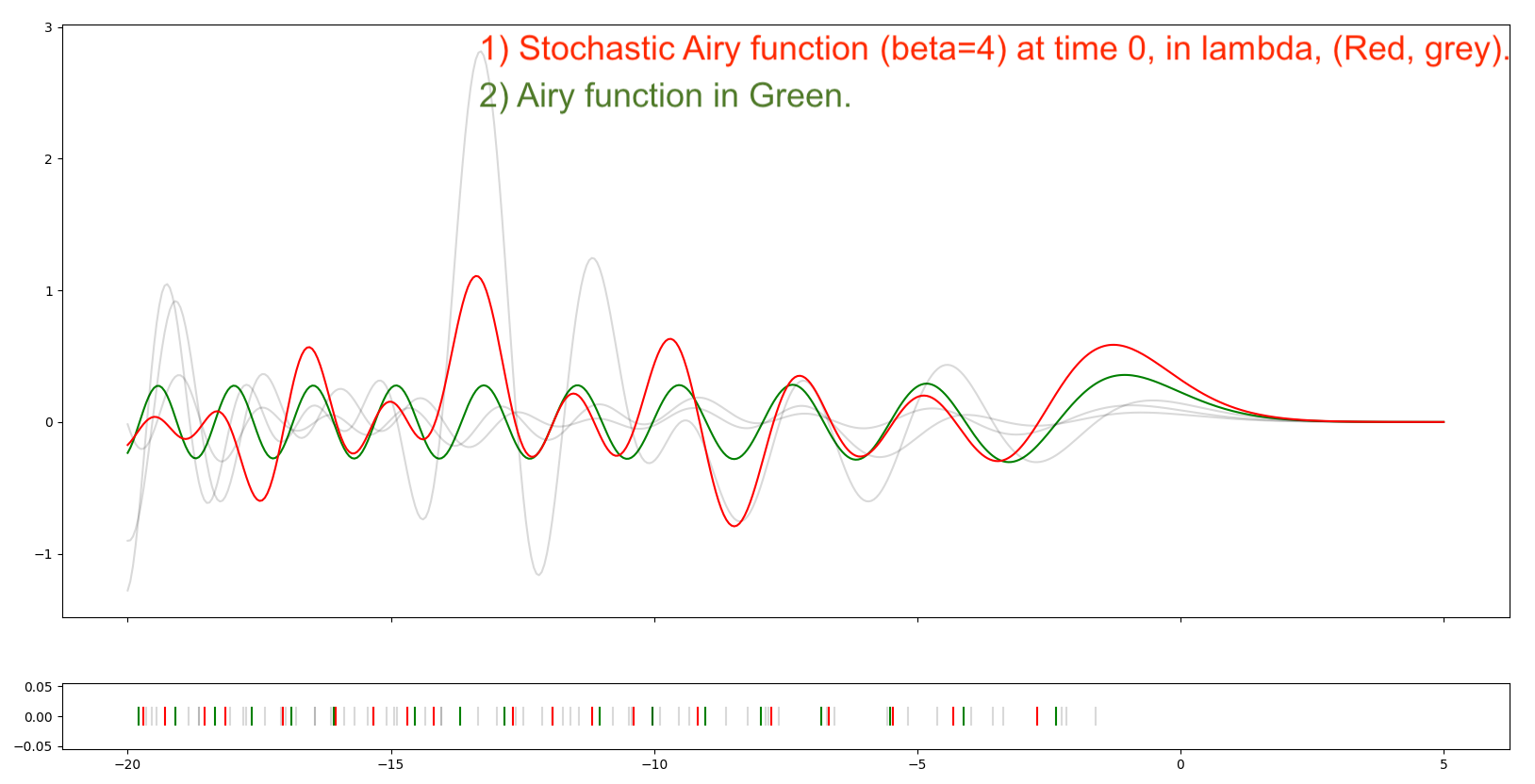
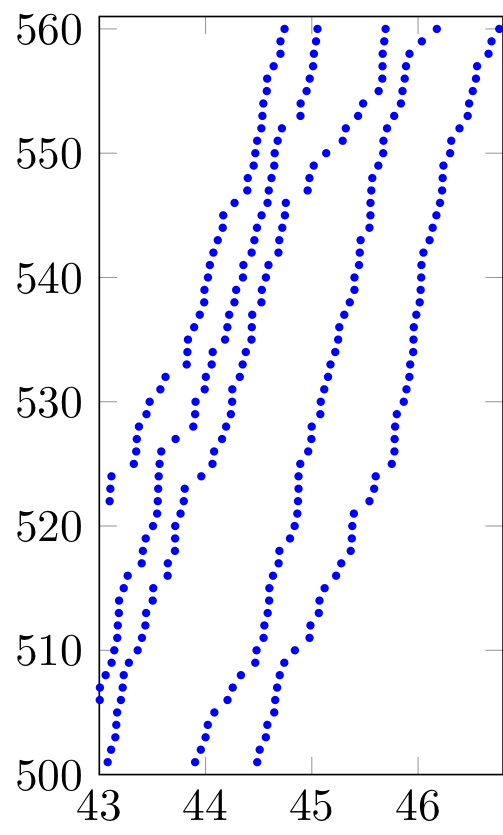
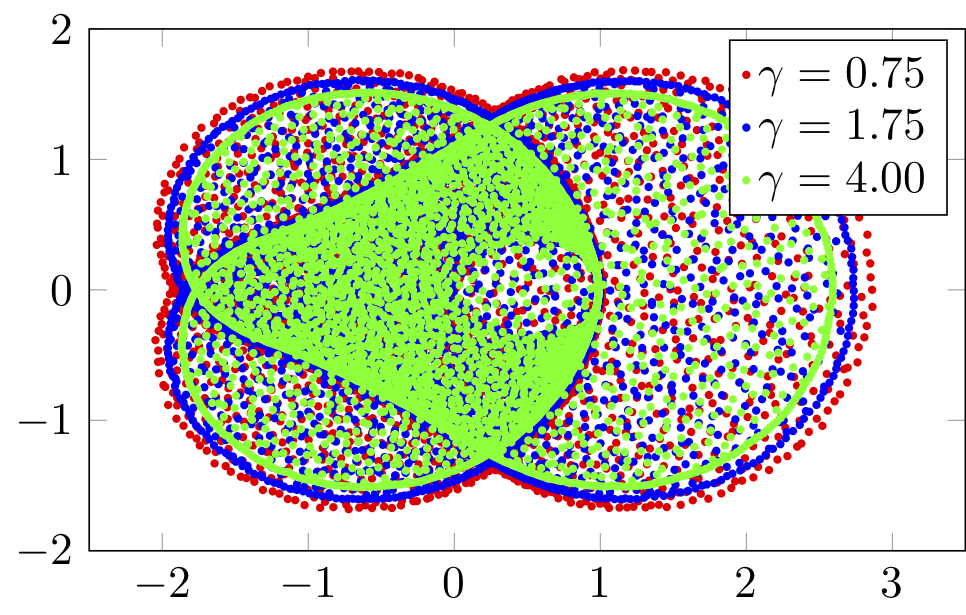
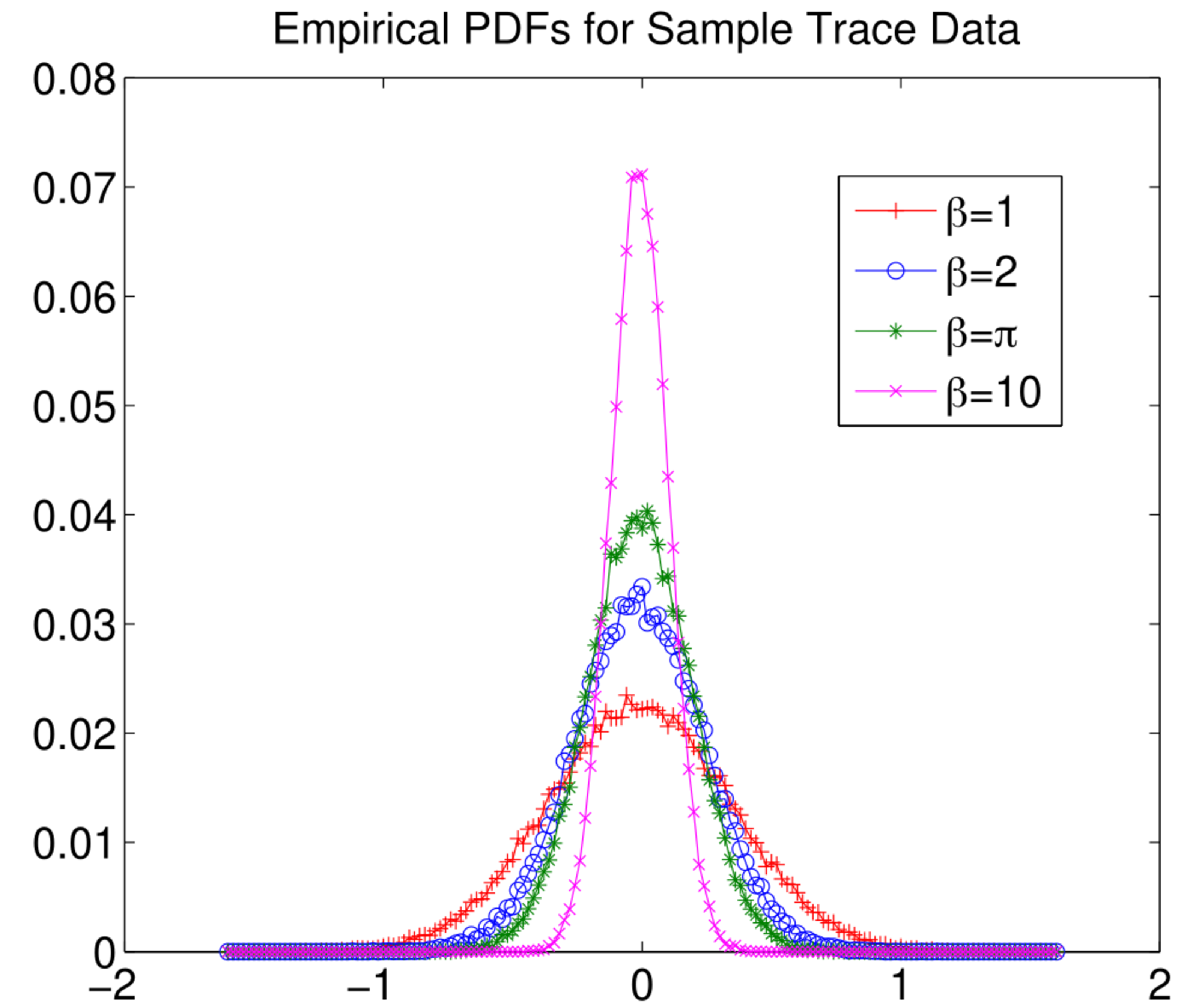
Much of my work concerns the $\beta$-ensembles. Dyson introduced them to sort random matrices by their symmetry, and they extend to a one-parameter family that behaves like a gas of charged particles on a line. A tridiagonal model or a canonical system turns a question about a matrix spectrum into one about a one-dimensional random operator — a close relative of the random Schrödinger operators of statistical physics.
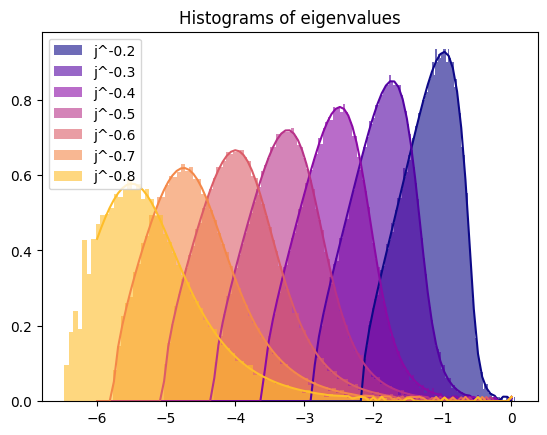
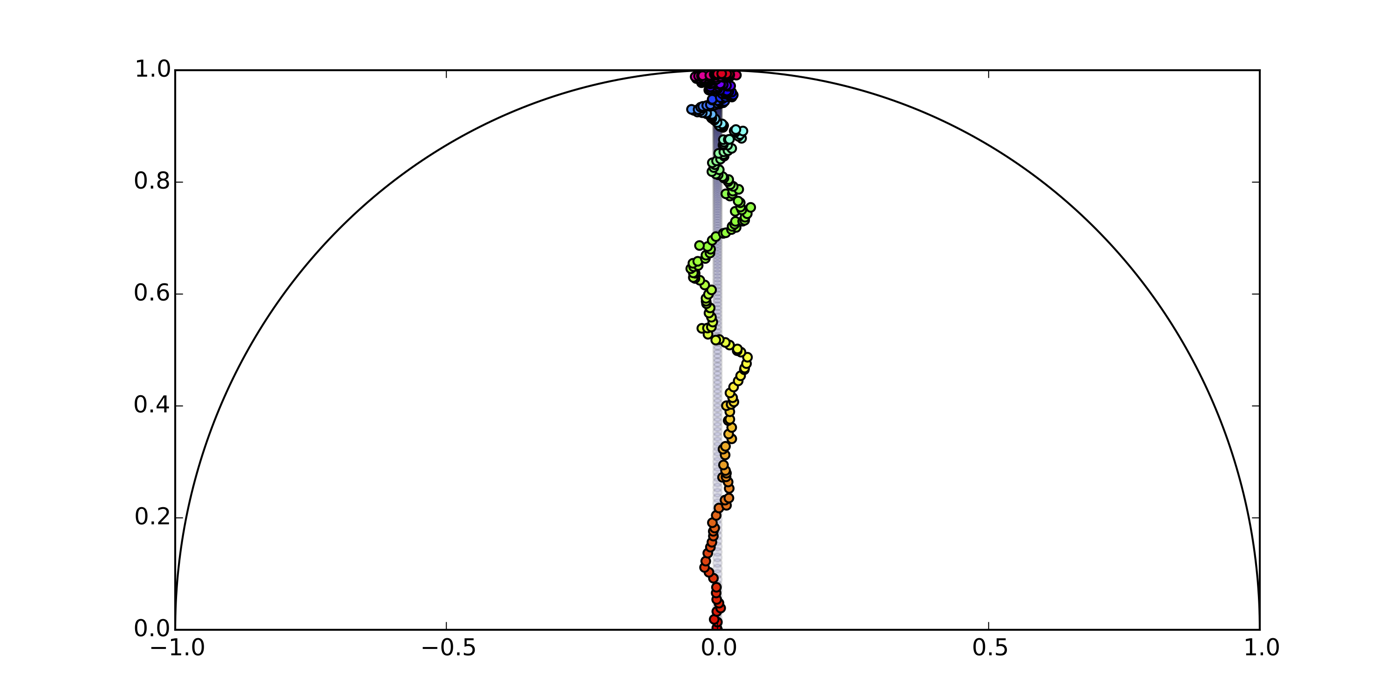
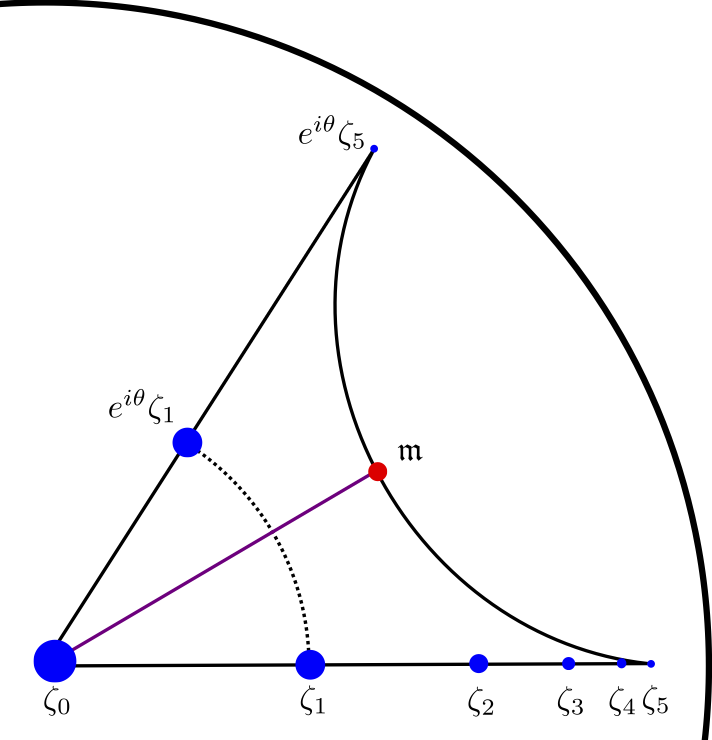
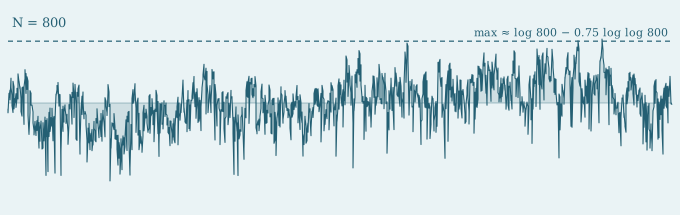
The other thread is the characteristic polynomial. Its statistics match those of the Riemann zeta function closely enough that random matrices have become a standard source of conjectures in number theory. Its logarithm is a field that is almost — but not quite — Gaussian and log-correlated: an object with a hidden branching structure and a multifractal set of large values. That “almost” is where the difficulty and the interest both live.

Machine learning theory

scaling laws, high-dimensional optimization, and the dynamics of training

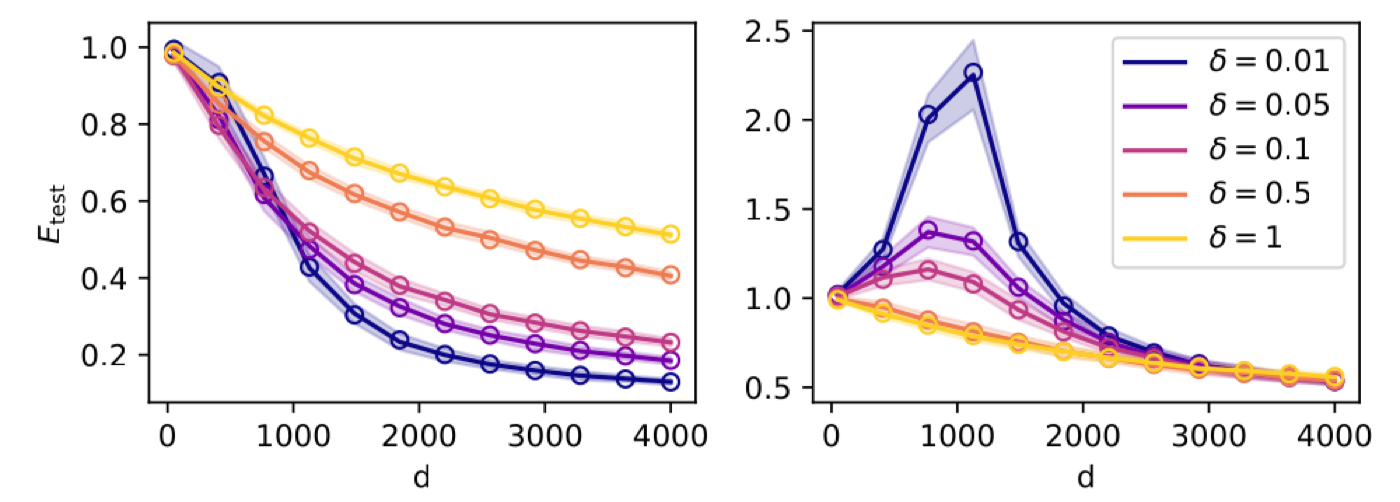
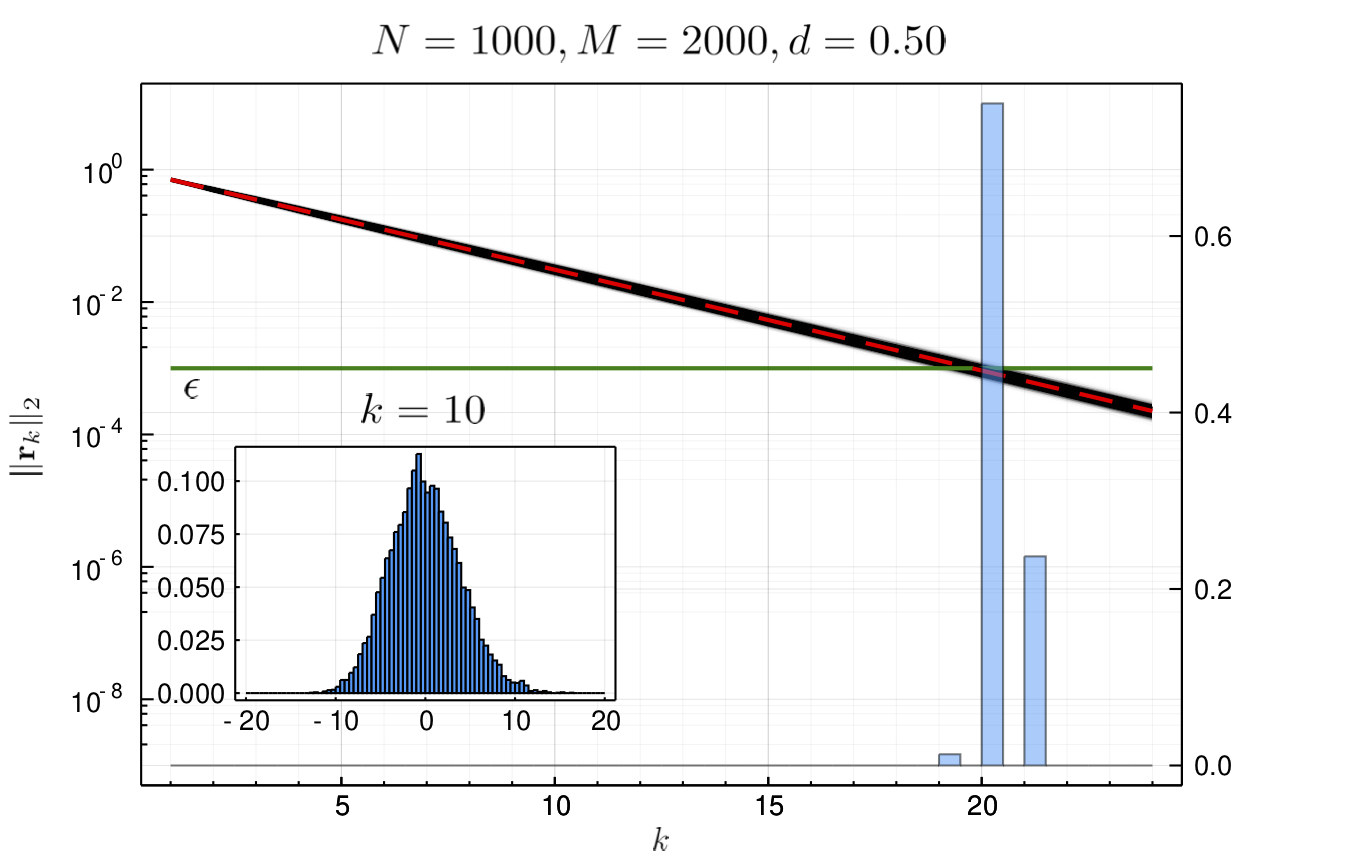
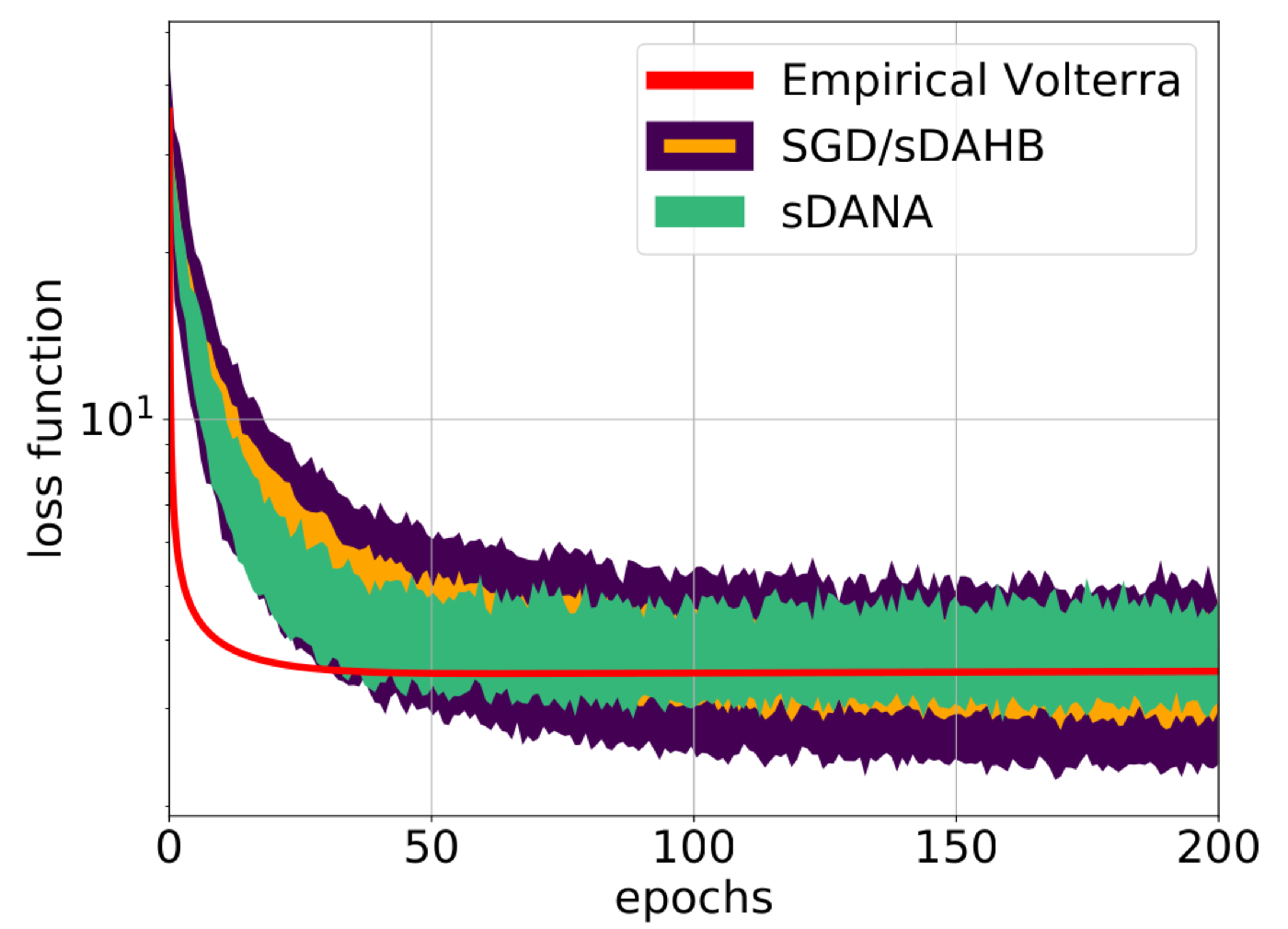
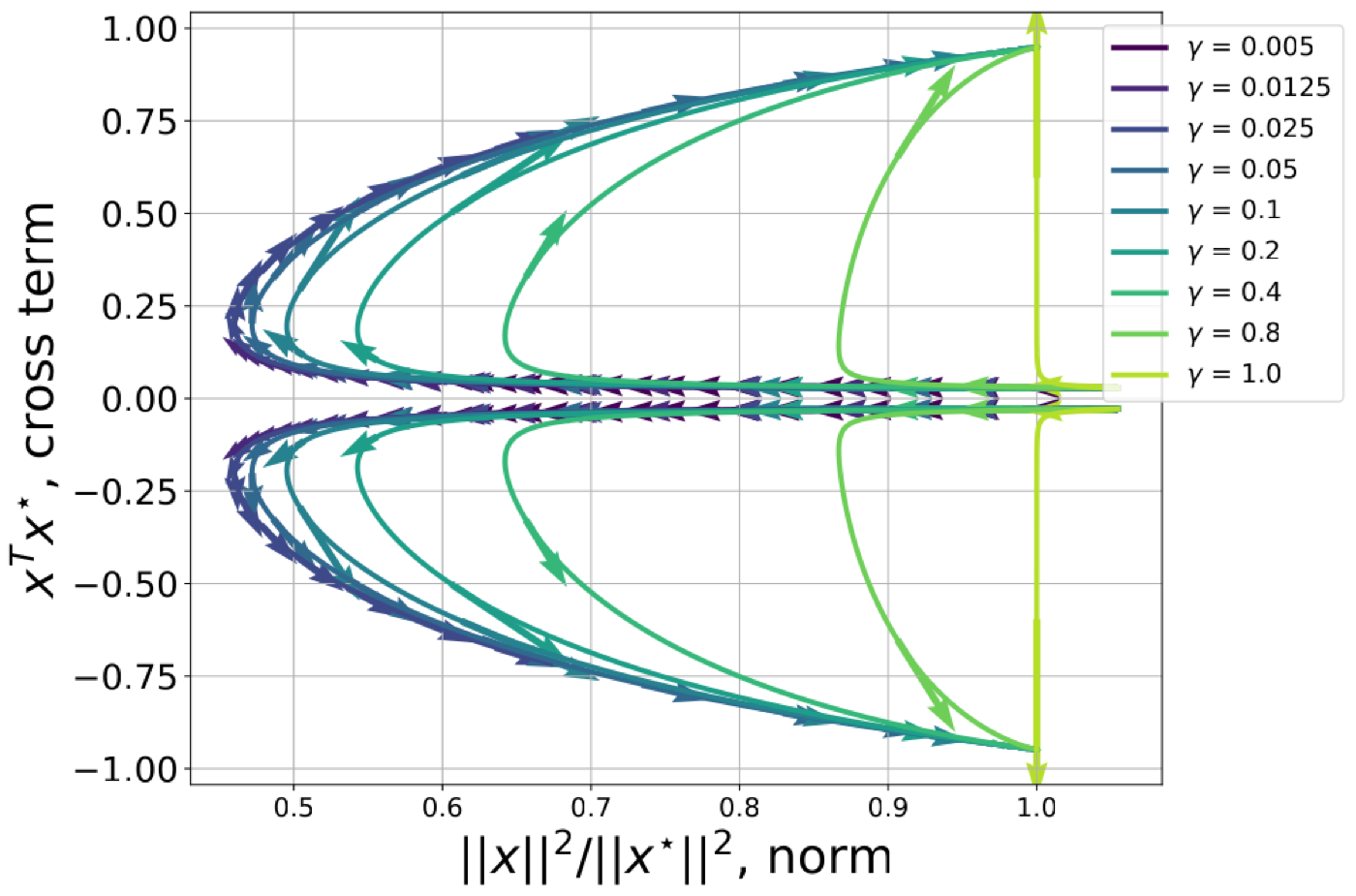
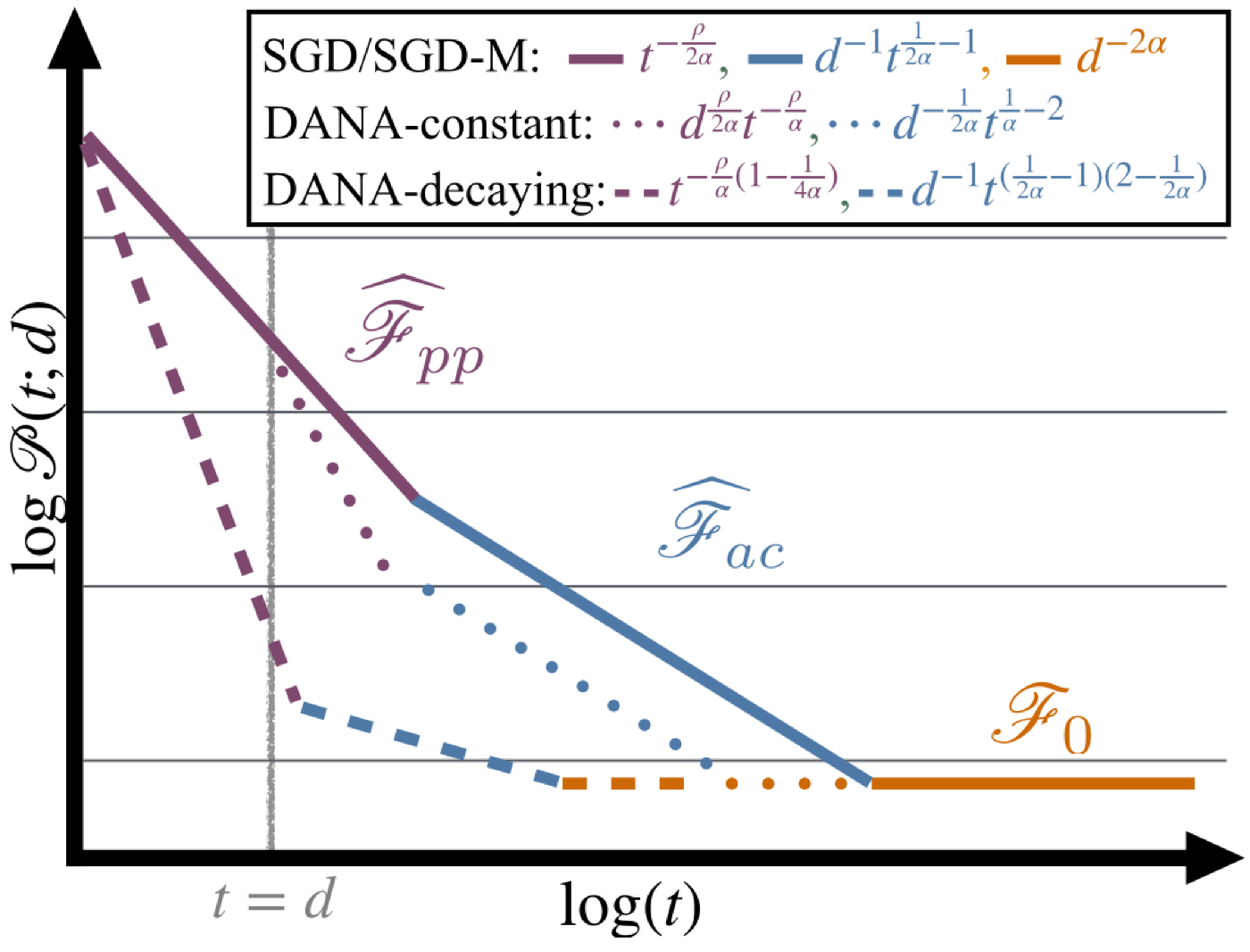
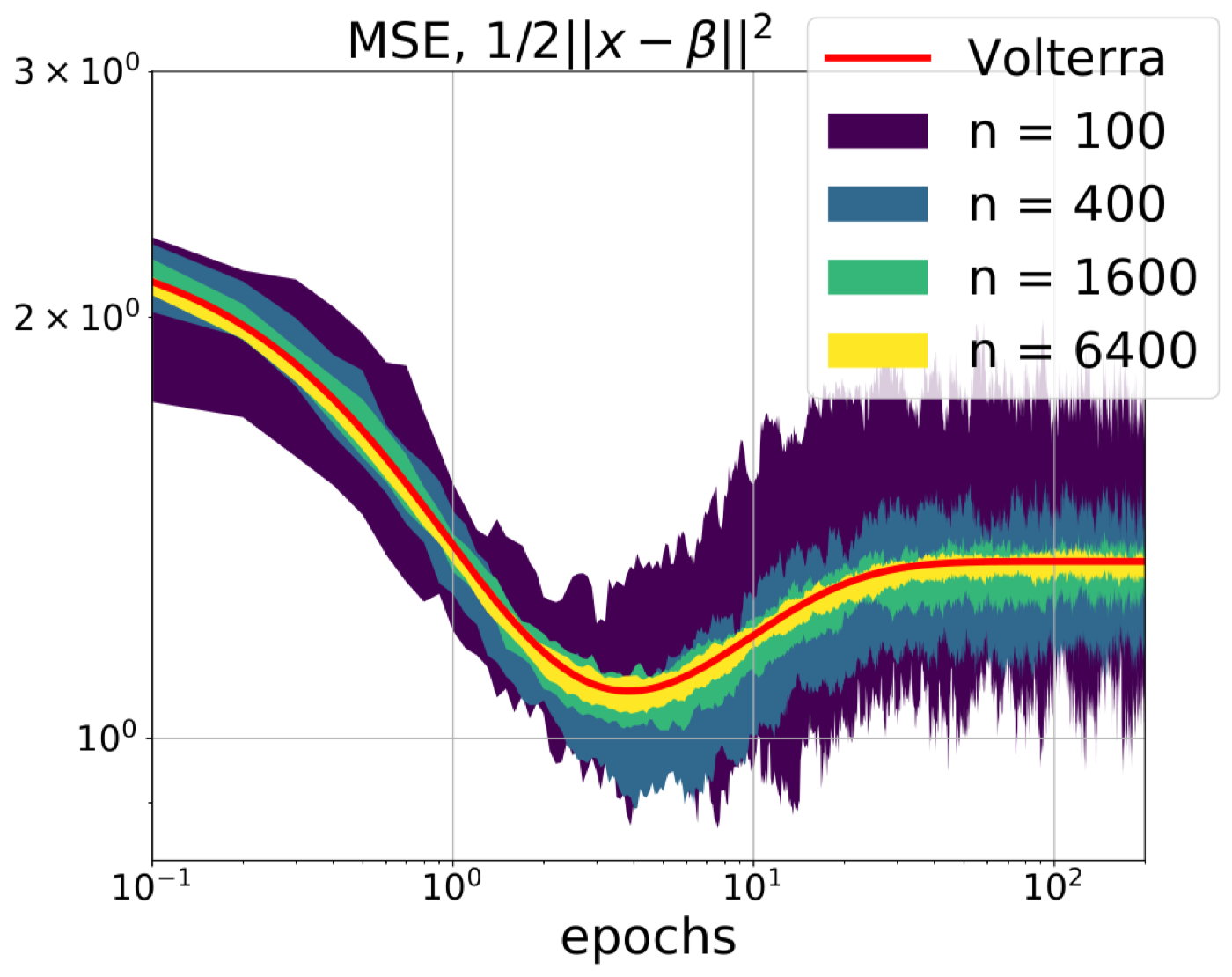
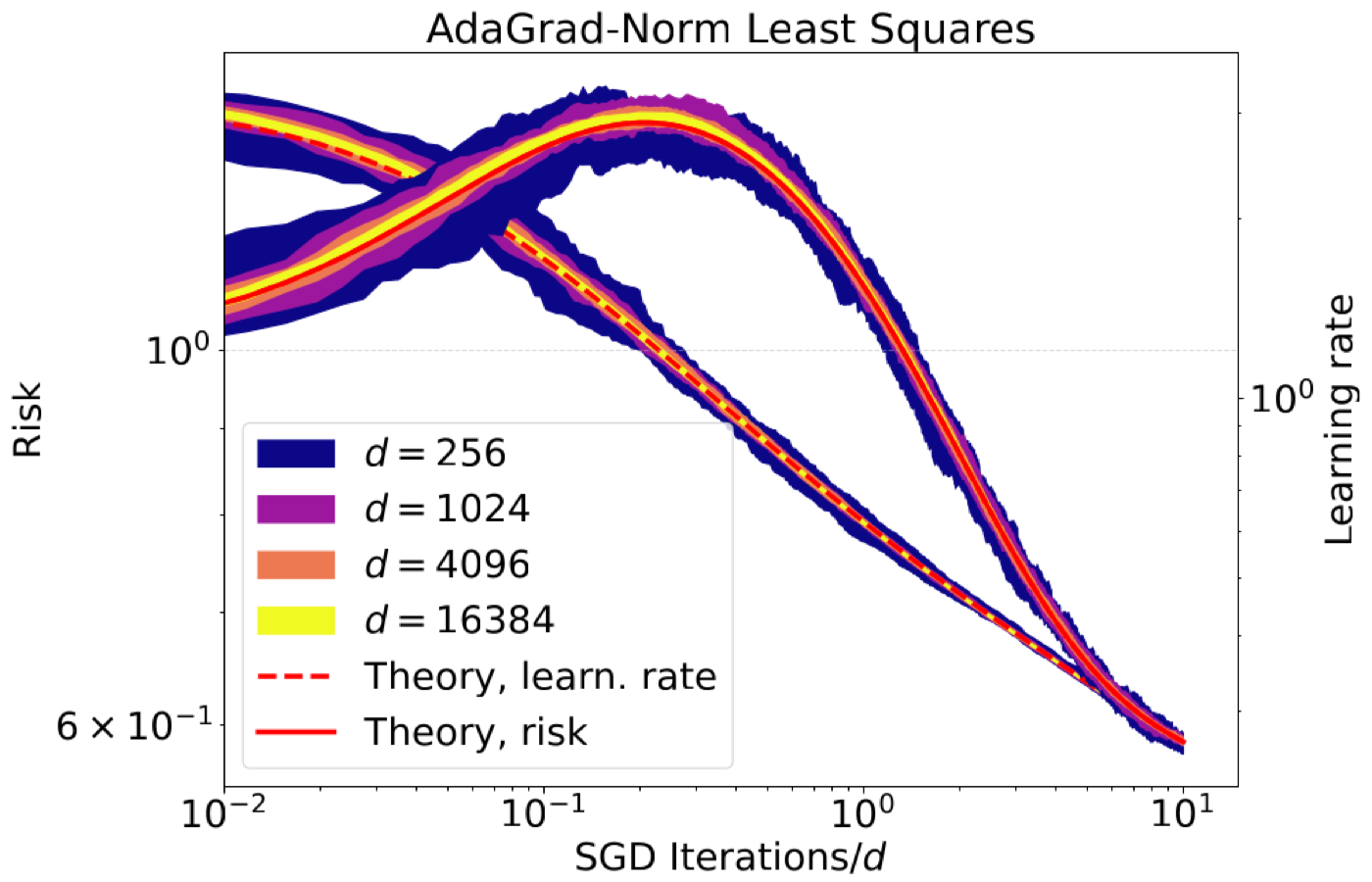
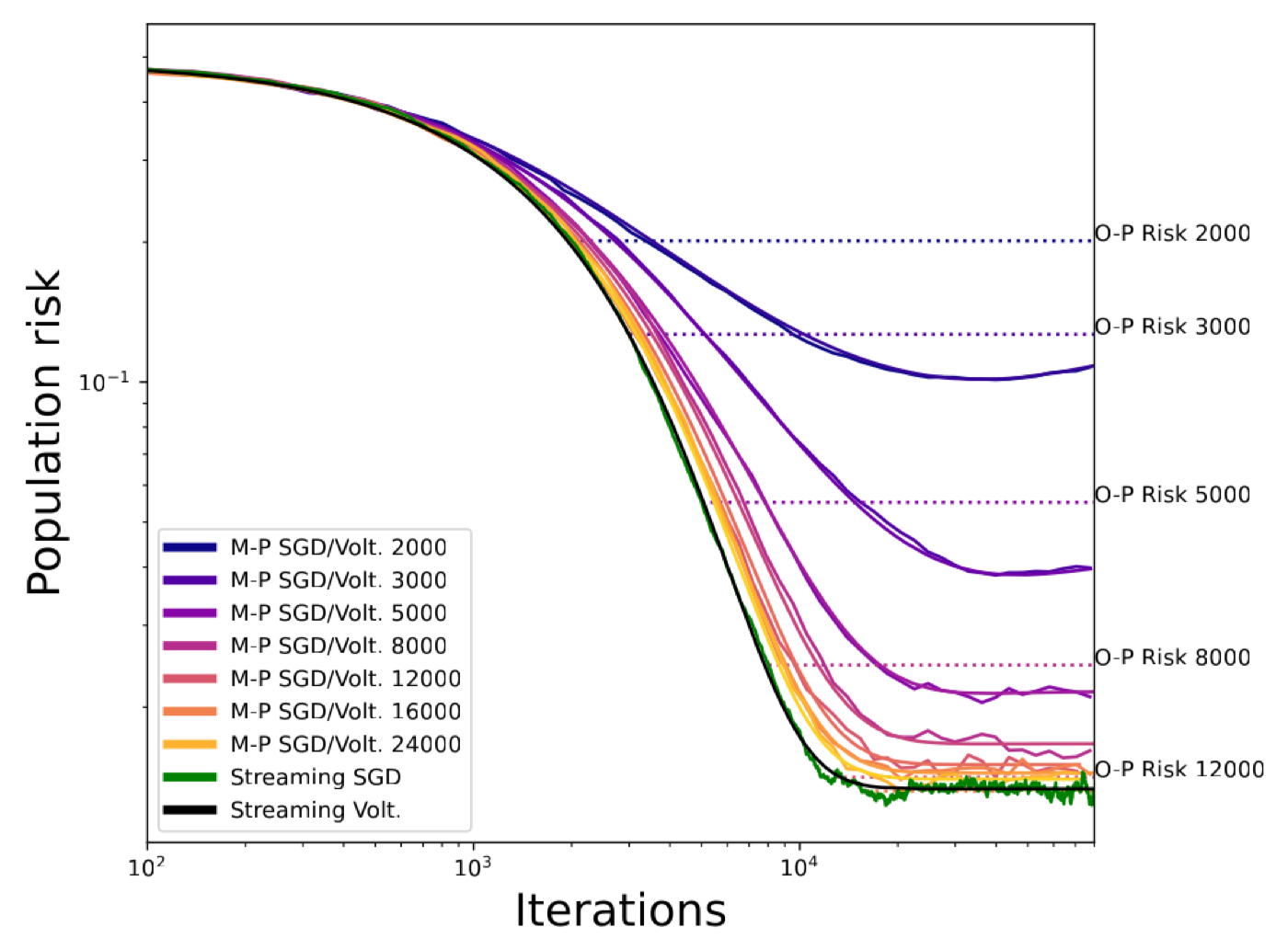
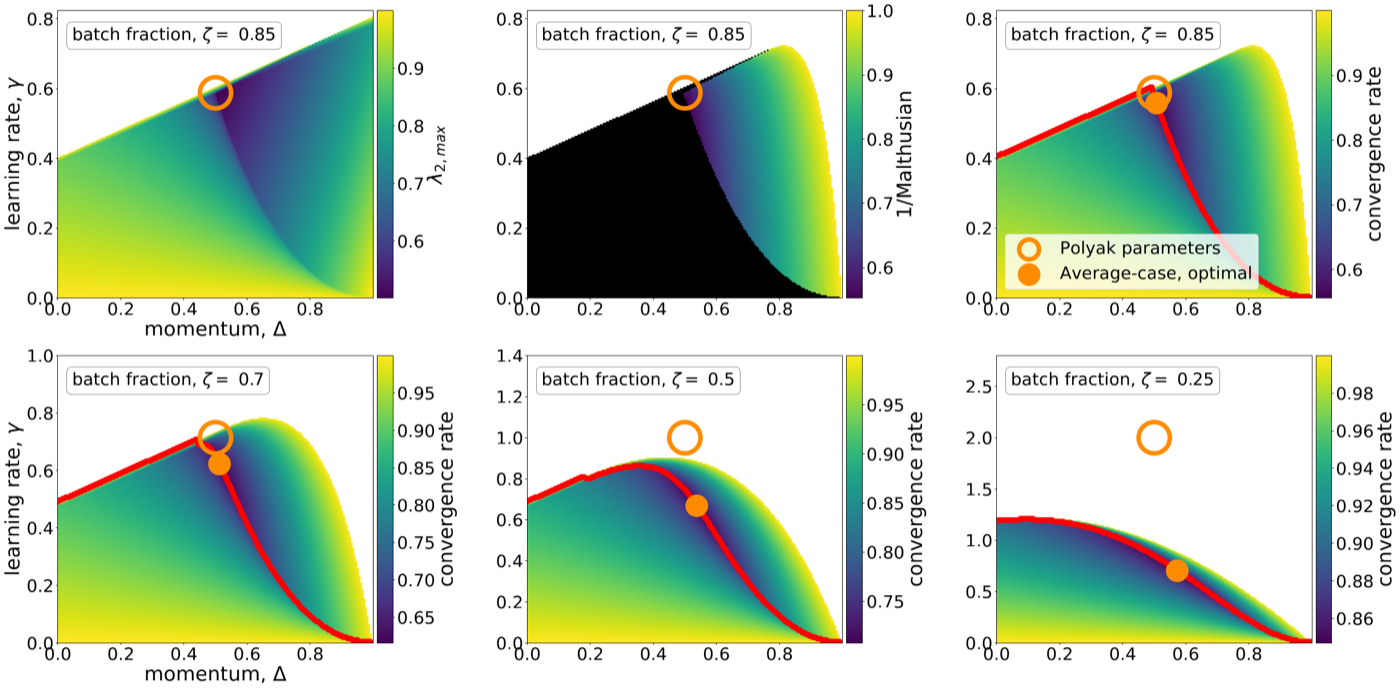
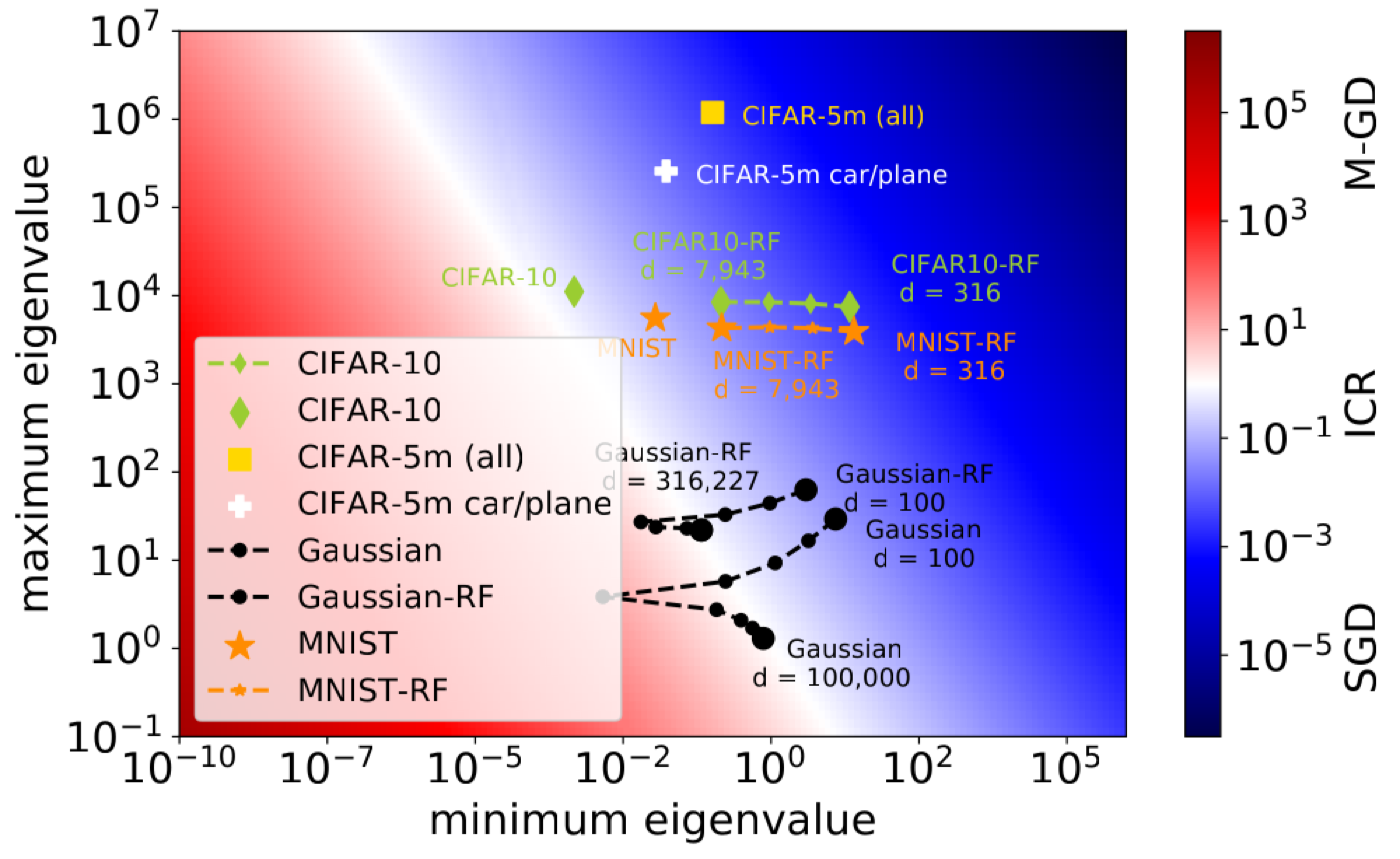
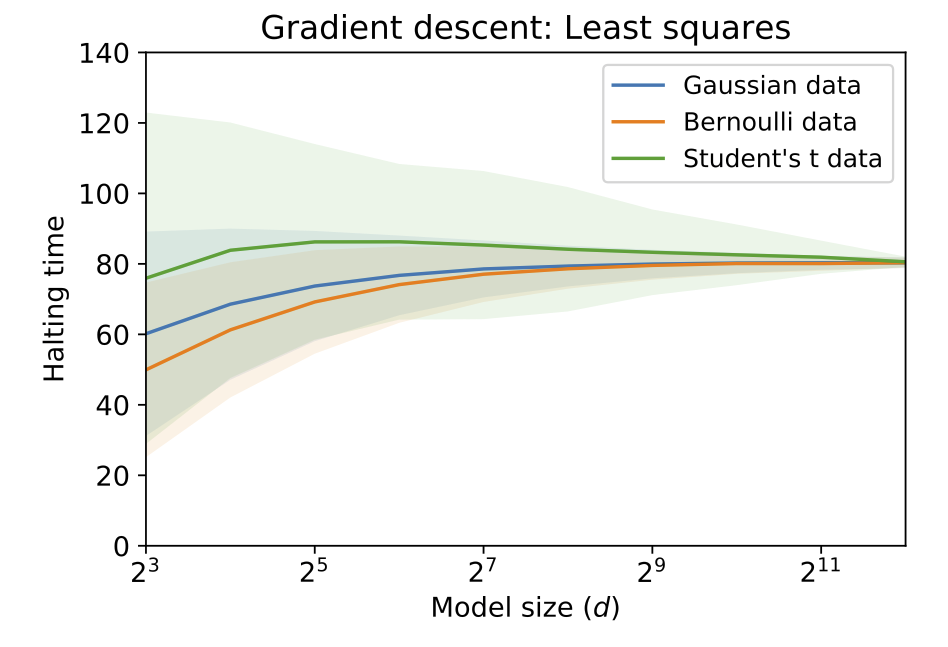
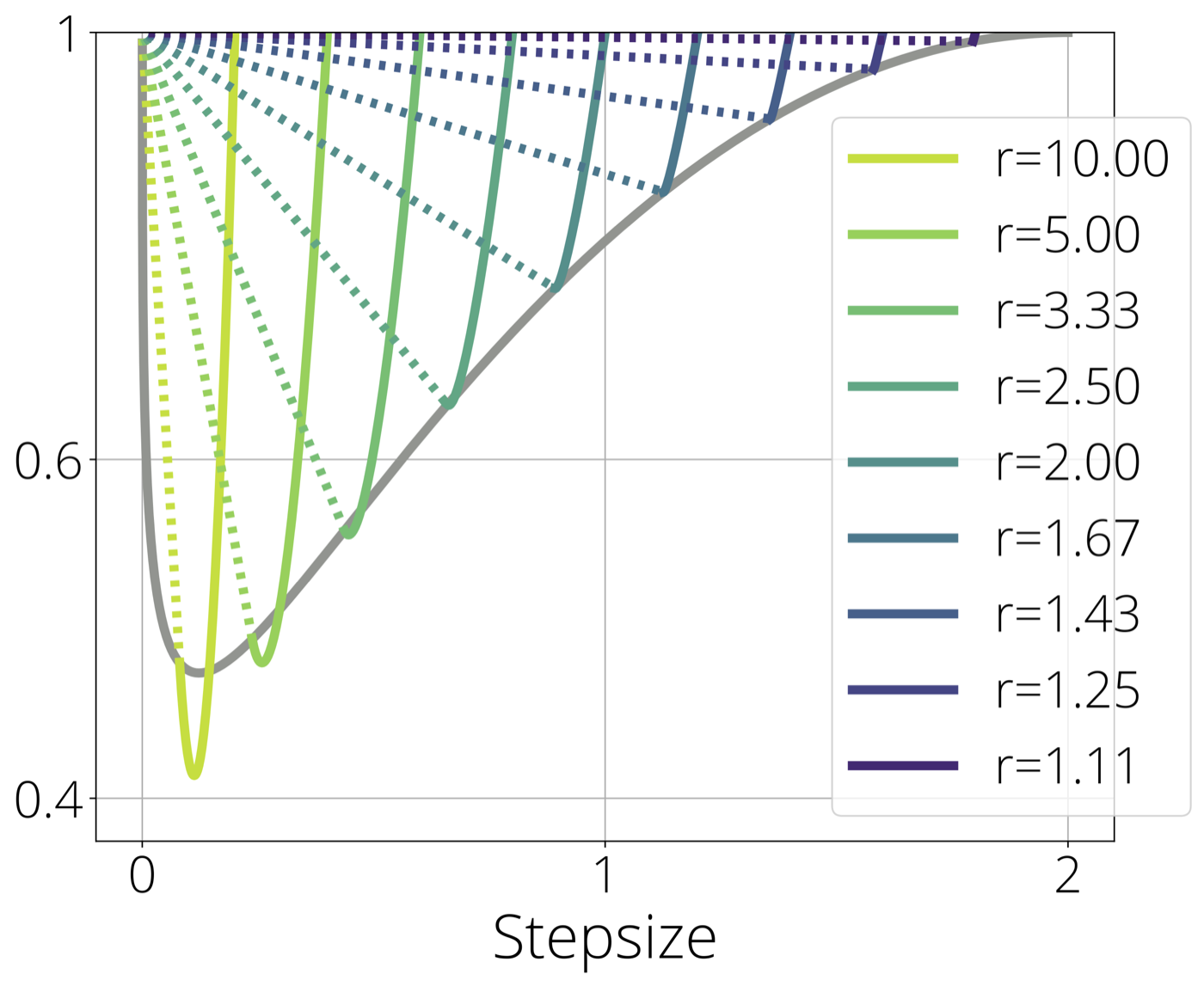
Machine learning is, mathematically, a family of optimization problems that keep getting bigger, and this program is concerned with what the dynamics do in that limit. Run stochastic gradient descent on a problem whose size grows and the trajectory stops looking random: the loss curve concentrates on a deterministic path, and the effect of a learning rate, a momentum parameter or a batch size can be computed from it rather than tuned.

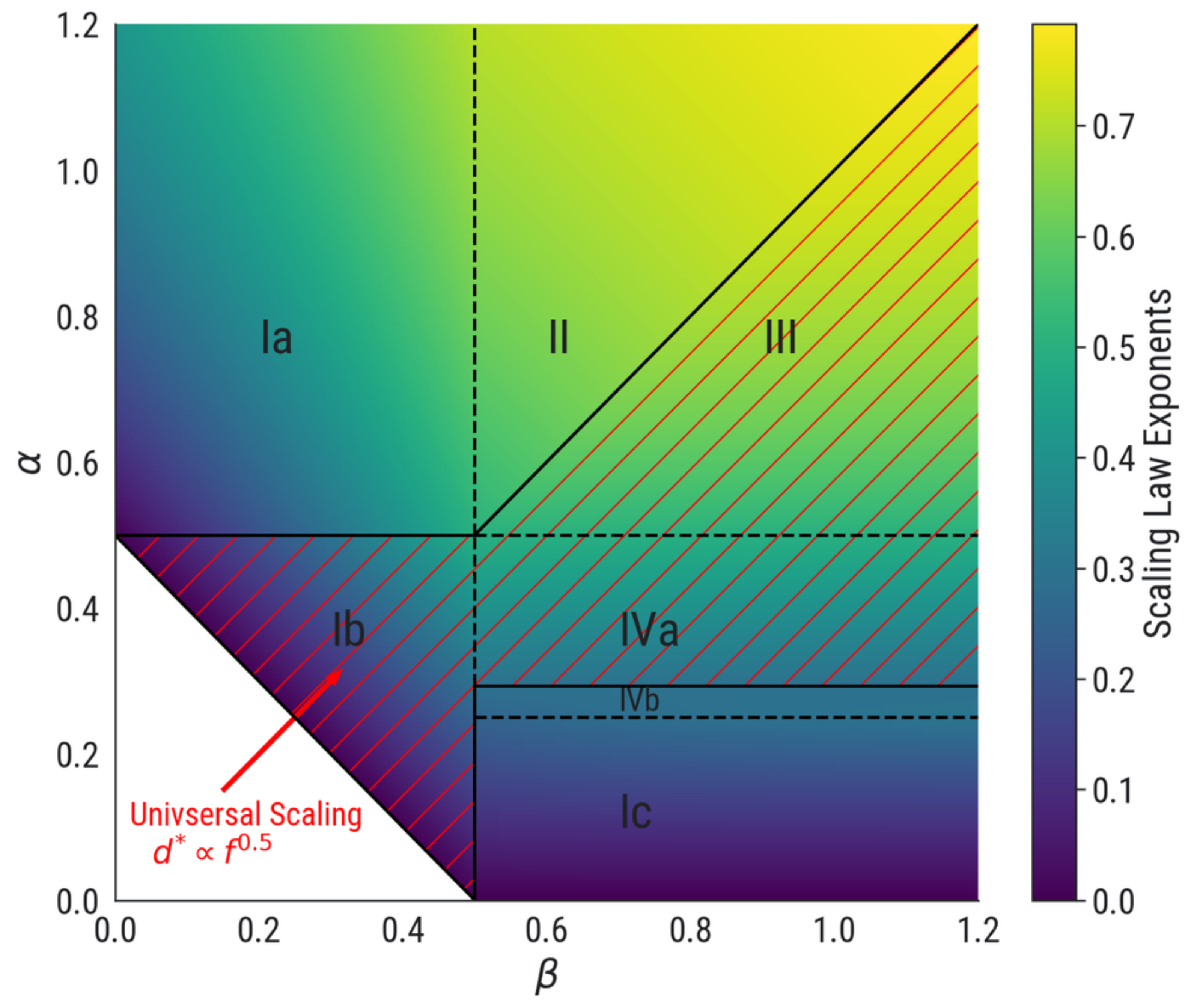
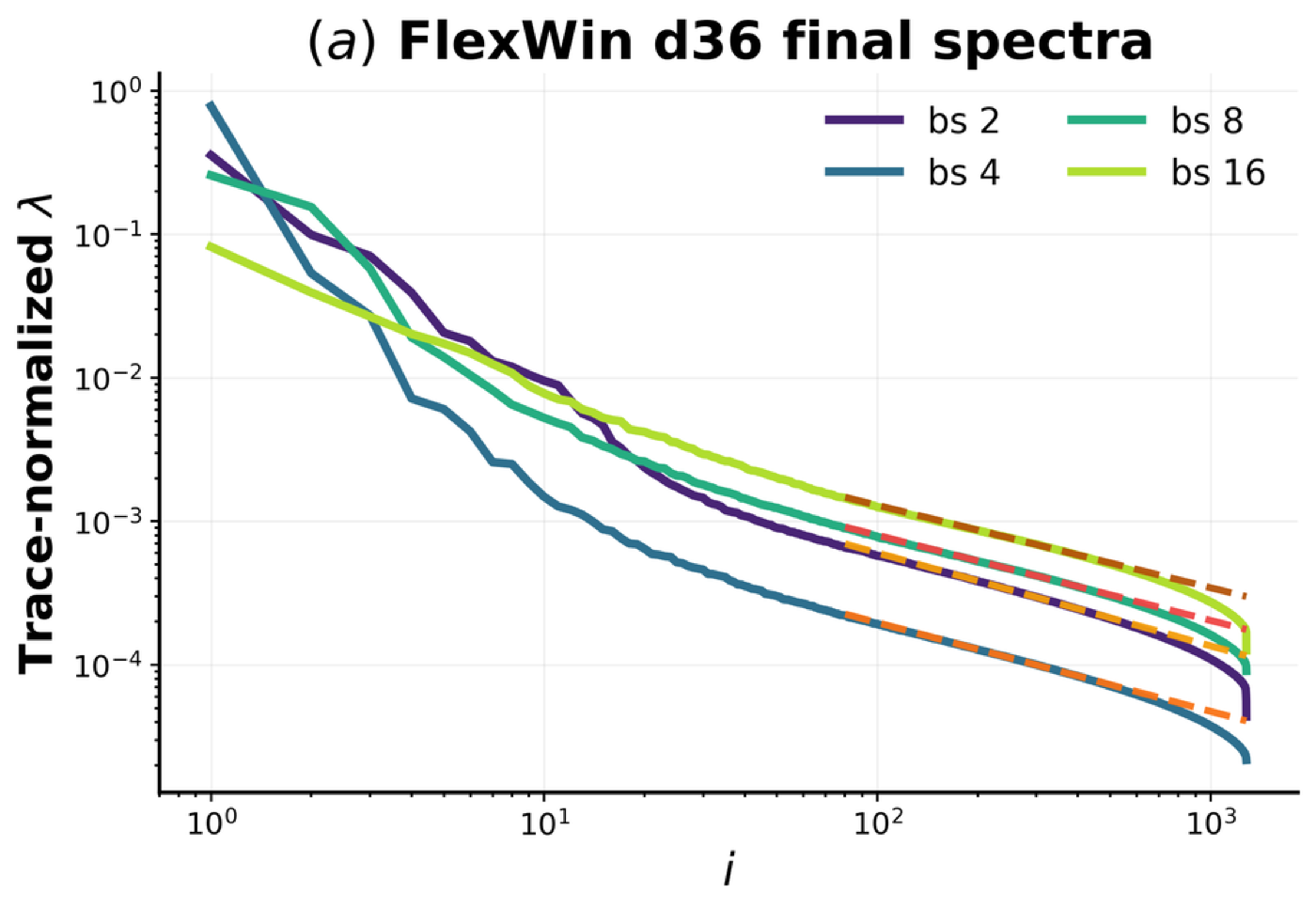
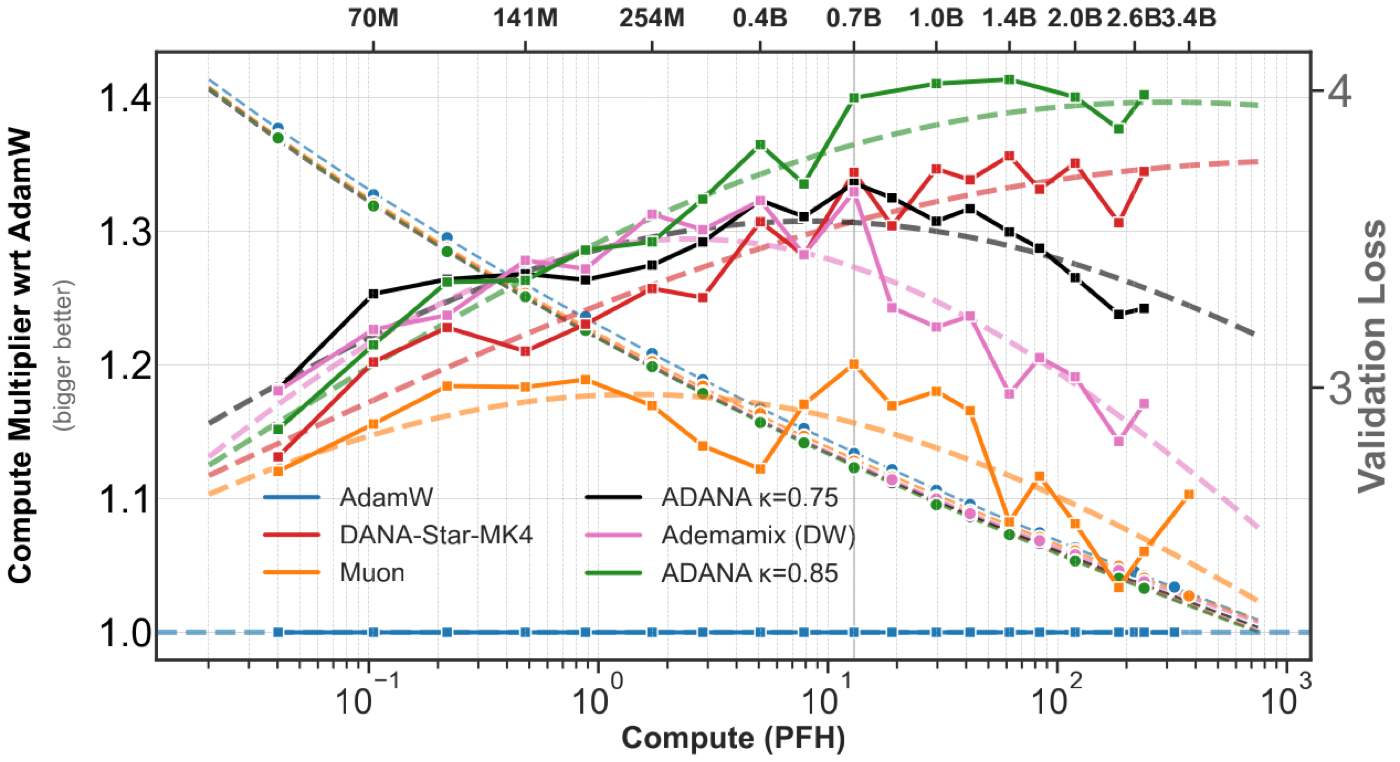
Scaling laws are the empirical face of the same phenomenon. They say how much better a model gets for each doubling of the resources it is given, and the observed trend is almost always a power law. What makes them interesting mathematically is that compute is no longer the only resource that matters: data is an equally important one, and the architecture decides how efficiently either is converted into performance. That is a complexity theory of a new kind.

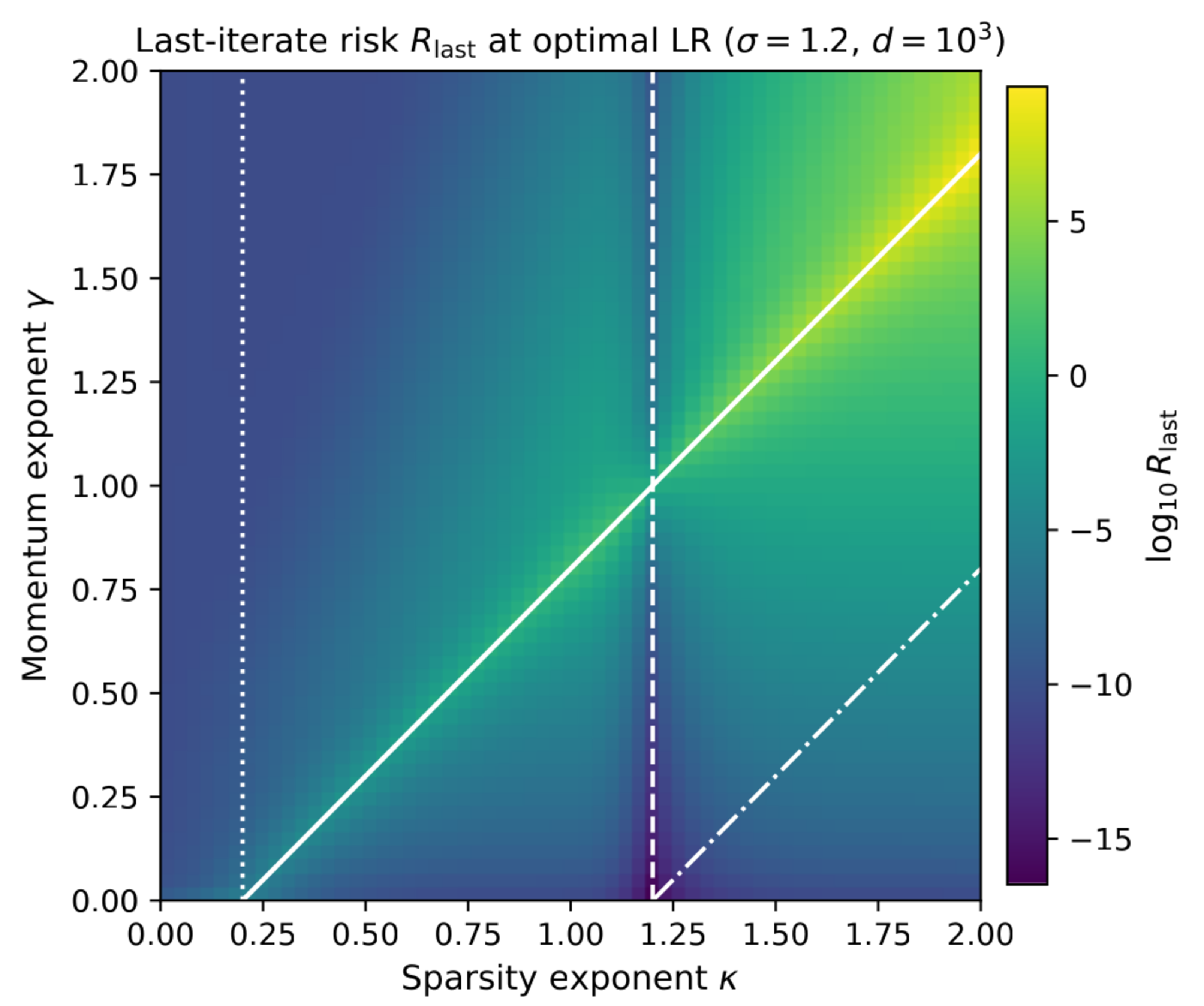
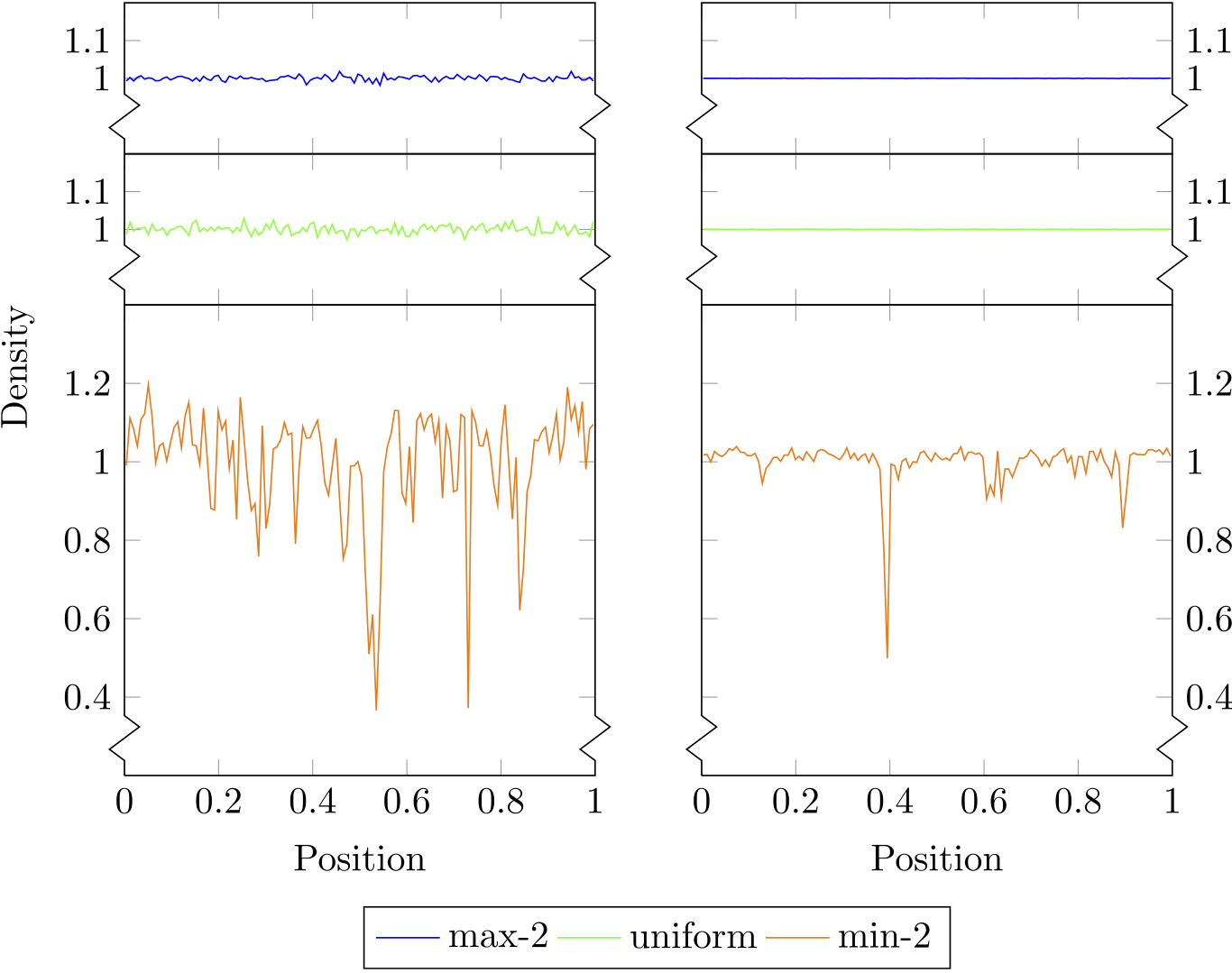
It is also a problem about several limits at once — not just a growing dimension, but the number of parameters and the size of the dataset scaling together, with the exponent depending on how the two are taken. Two things are wanted here: a theory of stochastic optimizers sharp enough to produce those exponents rather than merely rates, and an account of the loss landscapes that give rise to power-law curves in the first place.

Probability

random graphs, geometry, and topology

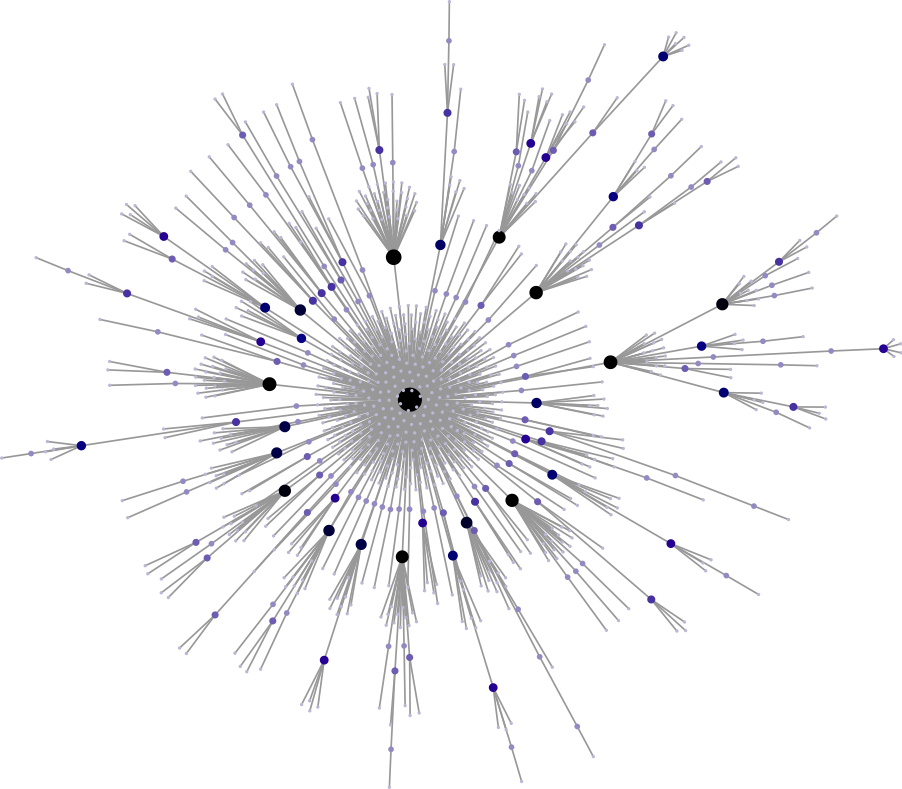
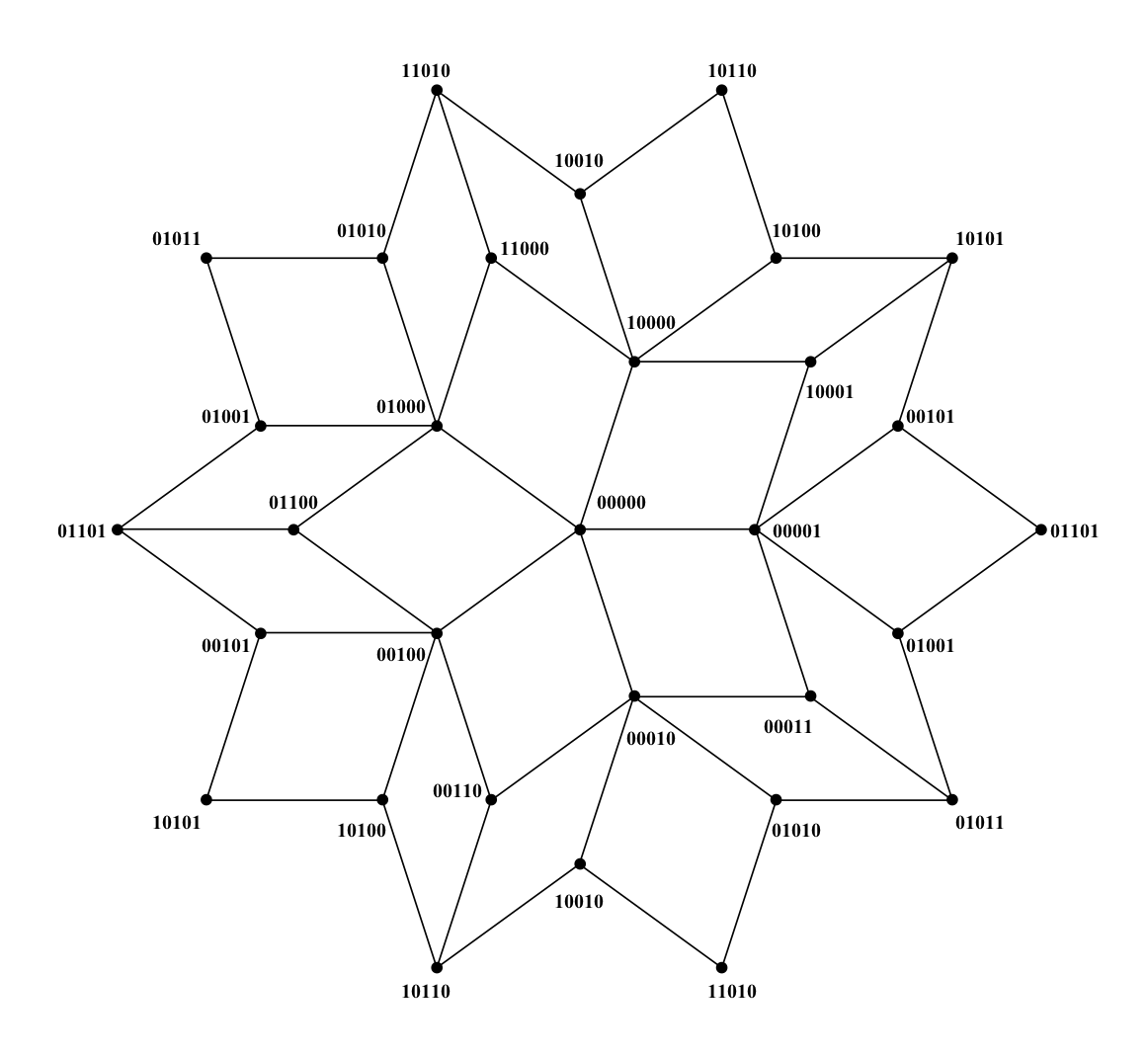
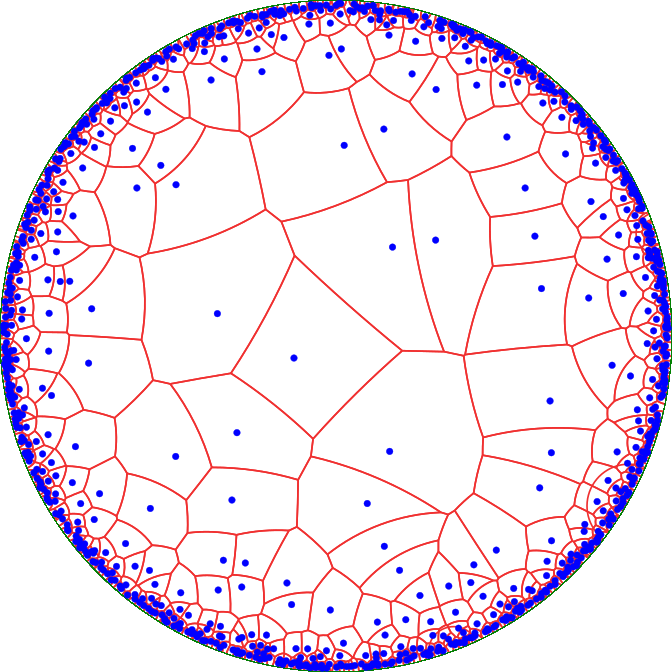
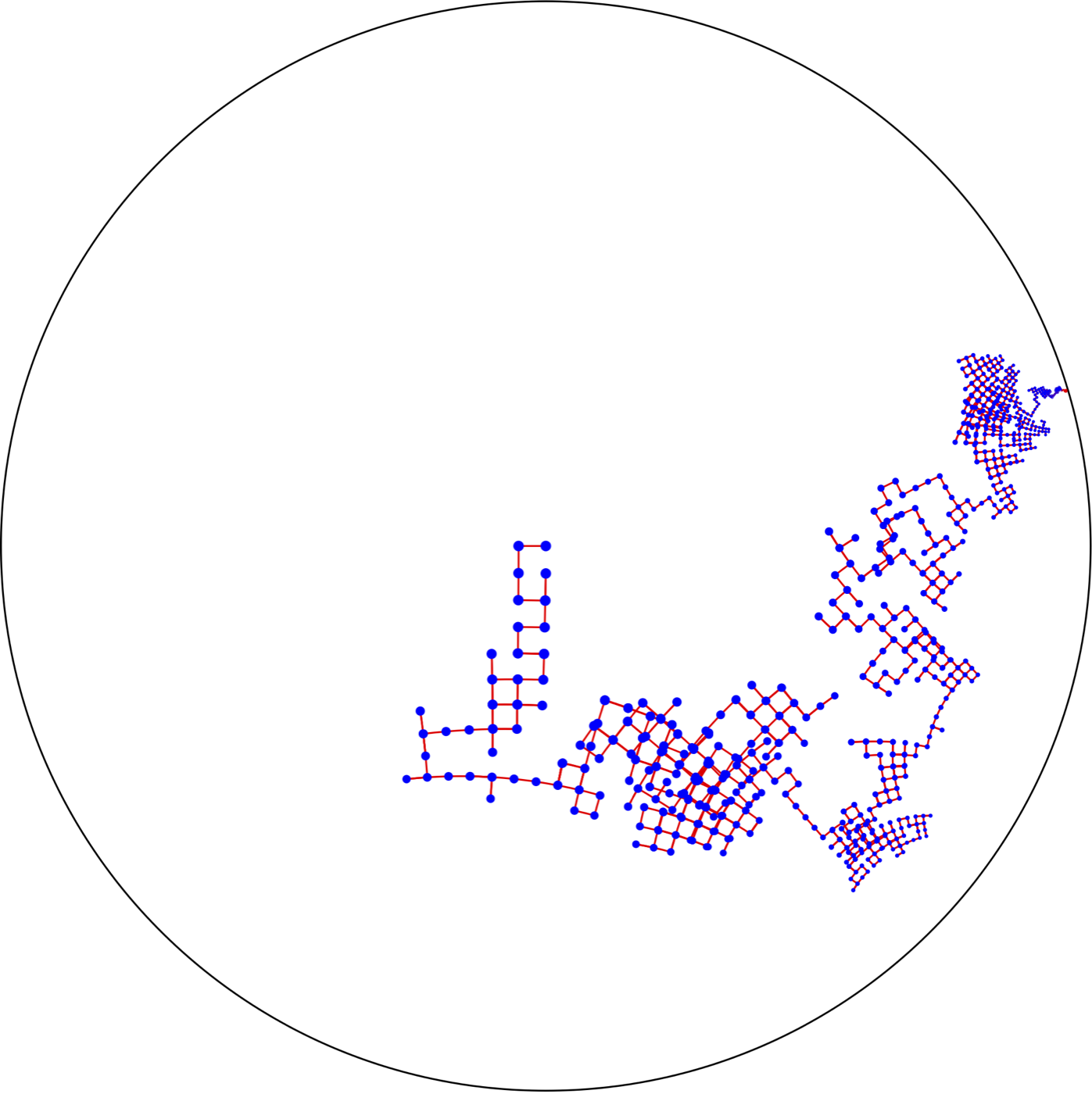
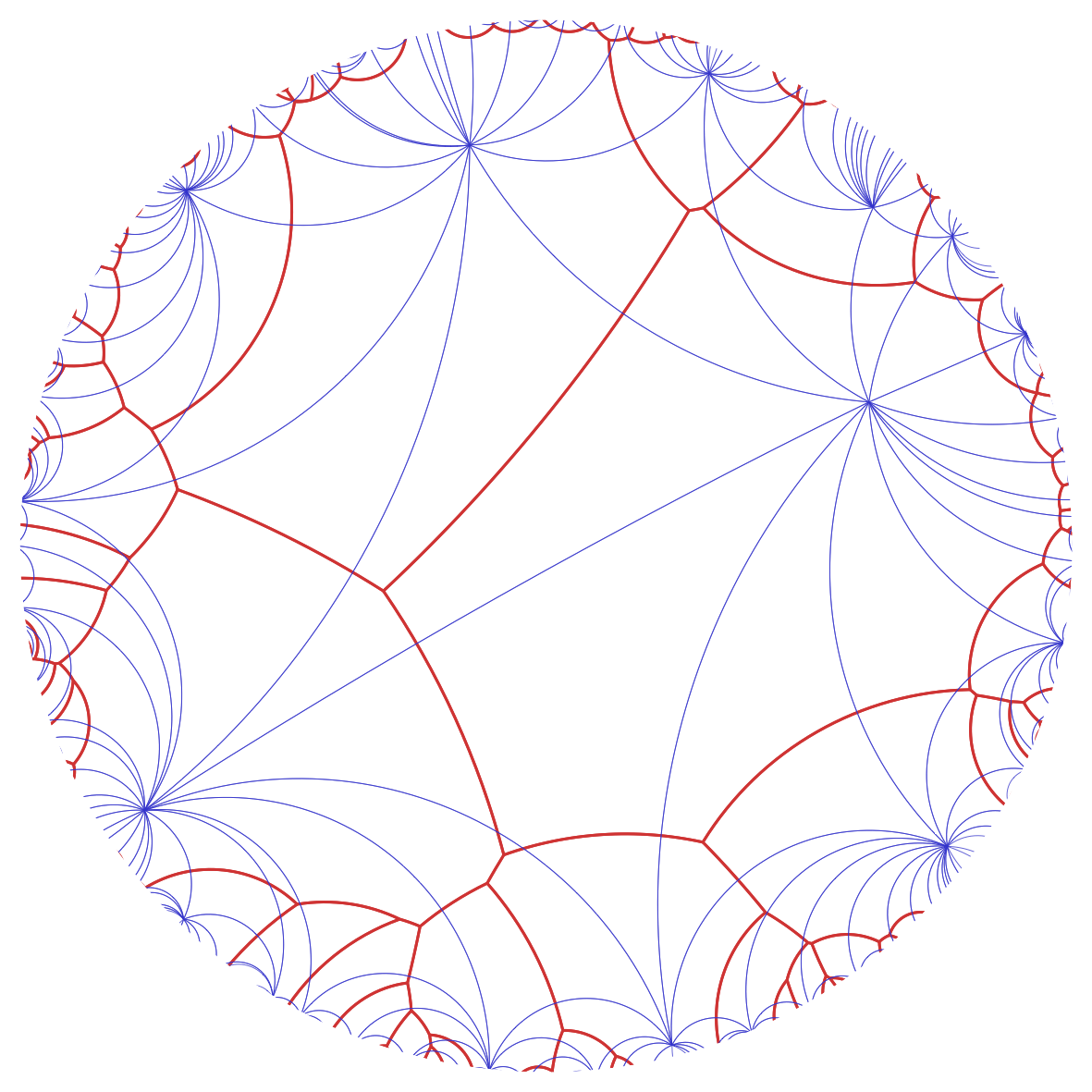
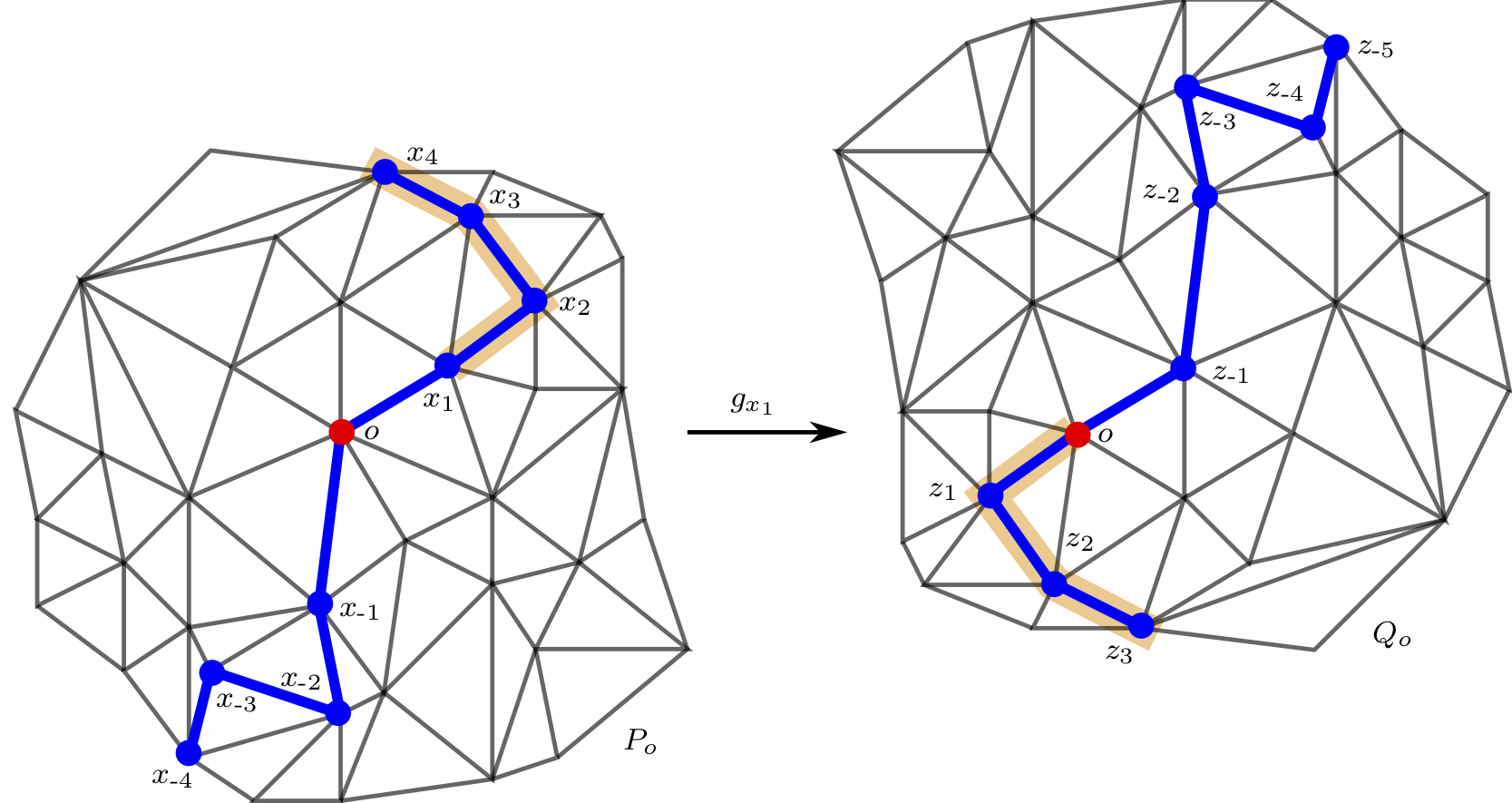
My work in probability has never been in a single program. It includes random graphs and their spectra, the topology of random complexes, point processes in hyperbolic space, and fragmentation and reinforcement.

All publications on one page

Notes and Resources

Math 598/784 (Fall 2026): High-dimensional probability

Course notes, exercises, and schedule: High-Dimensional Probability.

Princeton Summer School 2026: Power Laws in Data and Optimization

Four modules on power-law covariance, scaling laws, momentum, and spectral optimization: Course notes, slides, and resources.

Math 598/784 (Fall 2023): High-dimensional probability

Course at a glance: Syllabus.

Math 598/784 (Winter 2022): Random matrix theory

Course at a glance: Syllabus.

Course materials

Random matrix theory of high-dimensional optimization. This is a set of notes for the July 2024 random matrix theory and probability summer schools: Random matrix theory and optimization theory.

Stochastic processes notes. This is a set of notes for Math547, stochastic processes, covering Markov chains and martingales (all in discrete time). Math 547 notes.

High dimensional limits of SGD. This is a set of notes for the July 2023 summer school in probability at Lehigh university, organized by Si Tang: High-dimensional limits of SGD.